
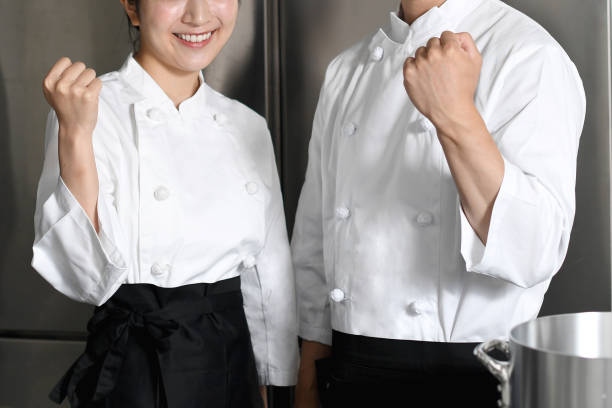
Behind every great dish is a professional who values safety, hygiene, and confidence in the kitchen. A chef uniform is more than just clothing. It reflects discipline, culinary tradition, and a commitment to excellence. From busy restaurant kitchens to culinary schools, the right attire supports performance, comfort, and professionalism. Understanding each component helps chefs choose gear that fits their role, environment, and personal style.
The Importance Of A Chef Uniform In Professional Kitchens
A well-designed chef uniform protects the wearer, promotes cleanliness, and sends a message of credibility to guests and teammates alike. Kitchens are fast-paced environments filled with heat, sharp tools, and spills, so proper attire becomes essential for safety and efficiency.
Professional kitchens often expect uniforms to meet specific standards, including durability, heat resistance, and easy maintenance. A neat appearance also builds trust with diners, especially in open kitchens where guests can see the team at work.
-
Uniforms help reduce cross-contamination and improve food safety practices.
Example: In fine dining restaurants, chefs often wear crisp white jackets to reflect cleanliness and precision, while in casual eateries, darker colors may be preferred to hide stains during long shifts.
Pro Tip: Choose breathable fabrics like cotton blends to stay cool during peak service hours without sacrificing protection.
Key Garments That Define A Professional Look
The Chef Jacket
The jacket is the most recognizable element of a chef’s attire. Traditionally double-breasted, it allows chefs to reverse the front in case of stains. Thick fabric offers protection from splashes of hot liquids and minor burns. Modern designs now include lightweight, vented options for better airflow.
Example: A pastry chef working near ovens may benefit from a jacket with mesh panels to reduce heat buildup.
Trousers And Aprons
Chef trousers are typically loose-fitting with patterned designs that help disguise spills. Aprons add an extra layer of protection and provide quick access to tools like towels and thermometers.
-
Many chefs choose adjustable aprons to ensure a secure and comfortable fit throughout long shifts.
Pro Tip: Look for stain-resistant coatings on aprons to keep your uniform looking sharp between washes.
Headwear And Footwear
Hats or caps prevent hair from falling into food and help manage sweat. Footwear is equally critical. Non-slip shoes protect against falls on wet floors and provide support during long hours of standing.
Example: In busy hotel kitchens, chefs often wear cushioned clogs designed to reduce foot fatigue while maintaining slip resistance.
How Chef Uniform Details Support Performance And Safety
Small design choices can make a big difference in daily kitchen performance. Buttons made from heat-resistant materials, reinforced seams, and moisture-wicking fabrics all contribute to comfort and durability. Uniforms tailored to fit well reduce the risk of snagging on equipment or knocking into coworkers.
-
Pockets placed strategically can help chefs carry small essentials without clutter.
Pro Tip: Rotate at least two sets of uniforms to maintain hygiene and extend the life of each garment.
Choosing The Right Fit For Different Culinary Roles
Not every kitchen role requires the same uniform features. Line cooks may prefer lightweight jackets for speed and mobility, while executive chefs often opt for more formal designs to represent leadership. Personal branding also plays a role, as embroidered names or logos add a professional touch.
Example: Catering teams often select darker uniforms to maintain a polished look throughout events with extended service hours.
Conclusion
A standard chef uniform is a blend of tradition, safety, and modern functionality. Each component, from the jacket to the shoes, plays a vital role in protecting the chef and enhancing performance. By selecting quality materials, proper fit, and thoughtful details, culinary professionals can work more comfortably and confidently. Investing in the right uniform is not just about appearance, it is about supporting excellence in every dish served.
