
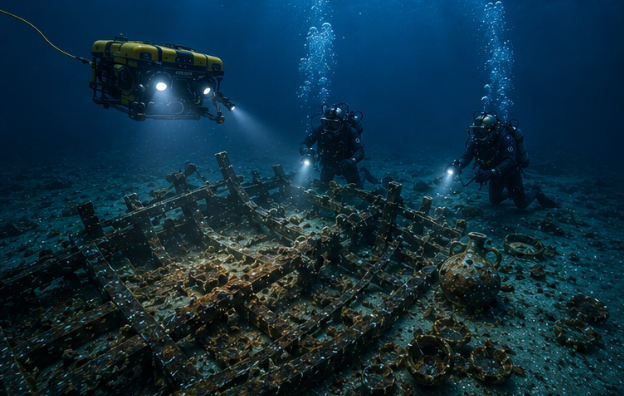
Locating sunken ships demands a deep understanding of ocean currents, naval architecture records, and subsea physics. Every artifact brought back to the surface can fundamentally reshape our understanding of historic trade networks. However, determining who owns and manages these items often triggers intense legal disagreements.
Documenting Deep-Sea Excavation Zones Safely
Extracting historic materials from high-pressure marine environments requires highly specialized robotic equipment and stable surface vessels. Research teams map out the exact coordinate placement of every individual artifact before moving it. This precise mapping helps researchers reconstruct the exact sequence of the vessel’s sinking.
Navigating Contemporary Deep Sea Salvage Debates
Serious cultural questions arise when private exploration firms take possession of artifacts linked to distinct historical communities. Local populations frequently demand that these items remain intact within their region of origin for public viewing. These ongoing disputes force international regulatory bodies to continuously update global maritime laws.
The public discussions regarding the Black Dive Expedition Controversy underscore the heavy societal scrutiny facing modern dive teams. Observers continue to debate how to balance private investment rewards with the ethical preservation rights of descendant communities.
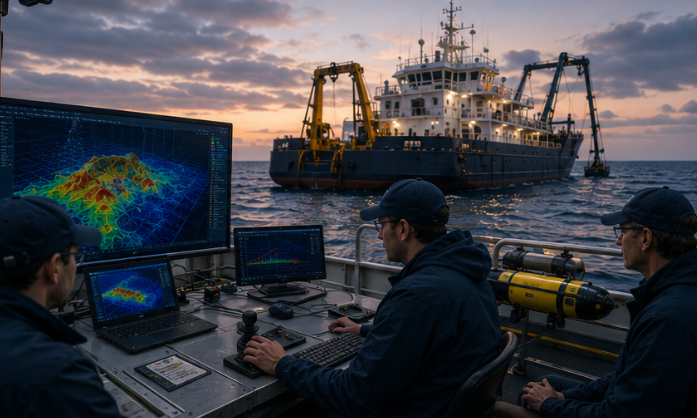
- High-resolution underwater digital mapping
- Robotic arm extraction pressure settings
- Shipboard stabilization rinse tanks
- Computerized 3D debris field models
Preservation Needs of Submerged Organic Materials
Long-term exposure to saltwater breaks down the cellular integrity of organic materials like wood, rope, and leather. If these materials dry out naturally in open air, they shrink, distort, and warp completely out of shape. Conservators replace the lost internal moisture by soaking the fragile items in chemical wax treatments.
Conclusion
Safeguarding ocean history requires an intentional path between modern engineering feats and cultural awareness. Every piece of a sunken vessel tells a unique story that requires accurate context and respectful handling. Developing strong partnerships between search teams and local historians is vital to preserving these unique historical records.
