
Remote Operated Vehicles (ROVs) have transformed the way underwater inspections and marine infrastructure evaluations are conducted. In industries where subsea assets are constantly exposed to harsh environmental conditions, corrosion, structural fatigue, and sediment buildup, reliable inspection methods are essential. Today, ROV technology plays a major role in Comprehensive subsea condition assessment and asset integrity inspection services, offering safer, faster, and more accurate solutions than many traditional underwater inspection methods.
As offshore infrastructure expands across municipalities, utilities, oil & gas operations, and industrial marine facilities, companies require dependable technologies capable of delivering precise underwater data. This is where advanced marine robotics companies such as Ven-Tech Subsea Inspections continue to lead the industry with innovative inspection solutions powered by AI-driven technology, certified commercial divers, and high-performance ROV systems.
Understanding Subsea Asset Integrity Assessments
Subsea asset integrity assessments involve evaluating underwater structures and equipment to determine their operational condition, safety, and long-term reliability. These inspections are critical for infrastructure such as pipelines, dams, reservoirs, intake systems, bridge foundations, marine terminals, offshore platforms, and underwater utilities.
The primary objective of these assessments is to identify structural weaknesses, corrosion, cracks, leaks, marine growth accumulation, or mechanical failures before they become major operational or environmental risks. Through Comprehensive subsea condition assessment and asset integrity inspection services, operators gain accurate insights into the condition of submerged assets while minimizing downtime and maintenance costs.
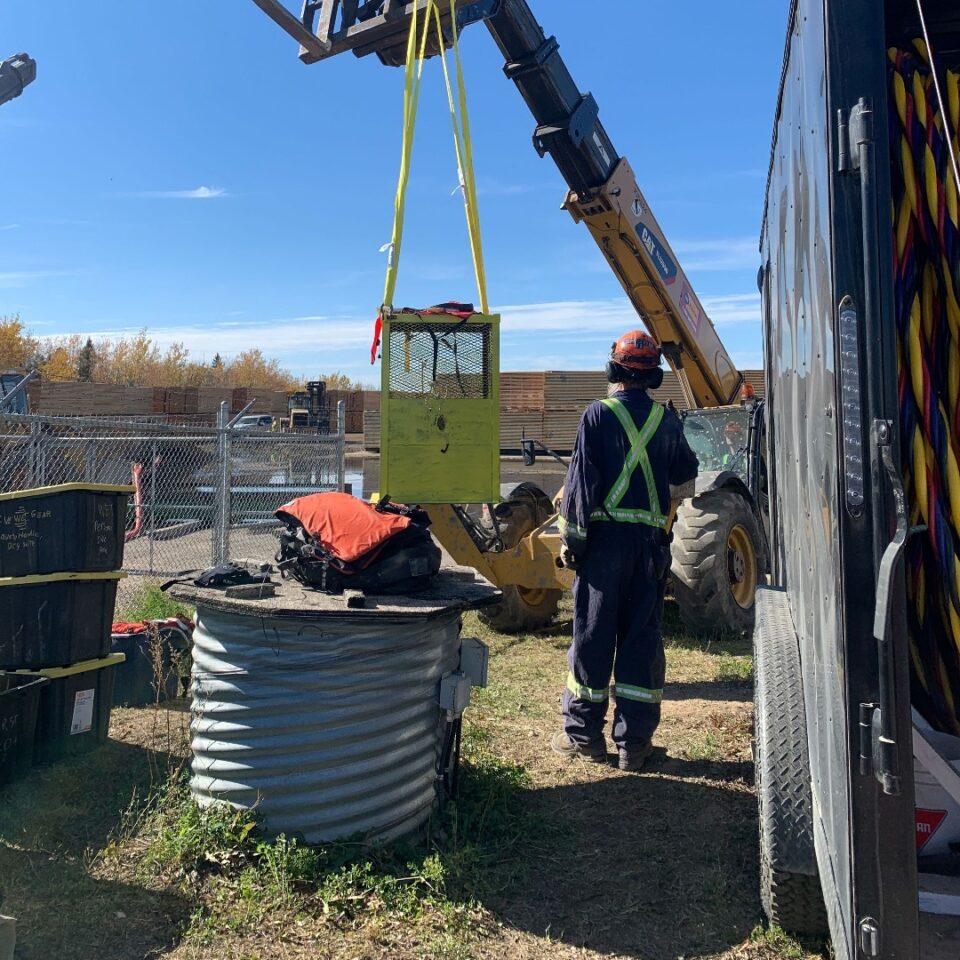
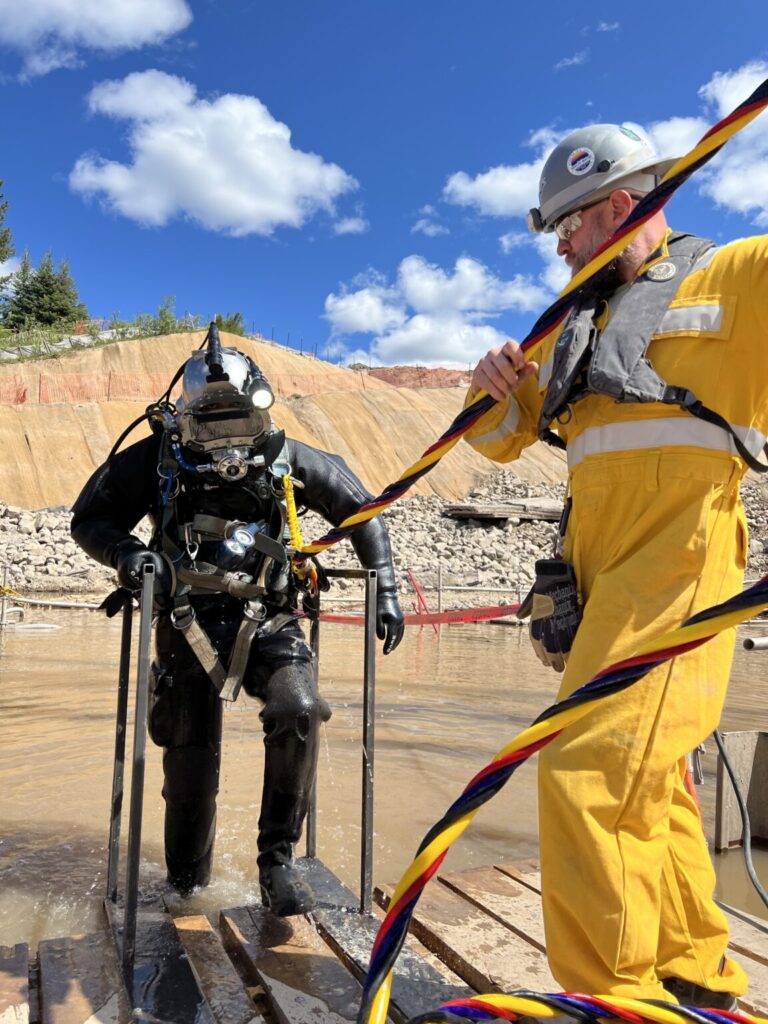
Traditionally, commercial divers handled most underwater inspections manually. While divers remain essential for many underwater construction and repair operations, modern ROV technology has significantly expanded the capabilities of subsea inspections, especially in deep, hazardous, or low-visibility environments.
How ROVs Perform Detailed Inspections
ROVs are remotely controlled underwater robotic systems equipped with high-definition cameras, sonar imaging, sensors, laser measurement tools, and advanced navigation systems. These systems allow operators to conduct highly detailed visual and structural assessments without exposing divers to dangerous conditions.
Modern ROVs can inspect underwater structures in real time while transmitting live video feeds and inspection data to surface operators. This provides engineers and project managers with immediate access to critical information needed for decision-making.
In Comprehensive subsea condition assessment and asset integrity inspection services, ROVs are commonly used for:
Visual Structural Inspections
ROVs capture high-resolution video and still imagery of subsea assets, enabling inspectors to identify cracks, corrosion, damaged coatings, weld defects, marine growth, and structural deformation. These visual inspections are essential for preventative maintenance planning.
Sonar Mapping and Imaging
In turbid or low-visibility water conditions where cameras may be ineffective, sonar systems allow ROVs to create detailed acoustic images of underwater structures. This technology is particularly useful for sediment-covered assets and deep-water inspections.
Pipeline and Utility Inspections
ROVs can travel along subsea pipelines and utility corridors to inspect joints, supports, protective coatings, and potential leak points. Their maneuverability allows for close inspection in confined underwater environments.
Thickness and Corrosion Measurements
Advanced inspection ROVs can integrate ultrasonic testing equipment to measure material thickness and detect internal corrosion or wall loss in steel structures and pipelines.
Reservoir and Dam Inspections
Municipal reservoirs and dam structures require regular underwater assessments to maintain operational safety. ROVs provide efficient inspection access without requiring drainage or service interruptions.
Advantages of Using ROVs for Asset Integrity Assessments
The increasing demand for Comprehensive subsea condition assessment and asset integrity inspection services is largely driven by the numerous advantages ROV technology offers over traditional inspection methods.
Improved Safety
One of the most significant benefits of ROV inspections is enhanced worker safety. Dangerous underwater environments involving deep water, contaminated reservoirs, confined spaces, or strong currents can present major risks to divers. ROVs reduce direct human exposure while still delivering detailed inspection results.
Increased Inspection Accuracy
Modern ROV systems utilize precision sensors, stabilized imaging systems, and AI-assisted analytics to deliver highly accurate inspection data. This improves defect identification and supports better maintenance planning.
Reduced Downtime
ROV inspections are often faster and less disruptive than traditional diver-based assessments. Facilities can frequently remain operational during inspections, reducing costly shutdowns.
Cost Efficiency
By minimizing dive team requirements, reducing operational interruptions, and improving maintenance planning, ROV inspections can significantly lower overall project costs.
Access to Difficult Environments
ROVs can operate in areas that are inaccessible or unsafe for human divers, including deep-water structures, narrow underwater tunnels, submerged tanks, and hazardous industrial reservoirs.
The Role of AI and Advanced Technology
Artificial intelligence is becoming increasingly important in underwater inspections. AI-powered analytics can process large volumes of inspection footage to identify anomalies, structural defects, or corrosion patterns more efficiently than manual review alone.
Companies like Ven-Tech Subsea Inspections integrate advanced robotics and intelligent inspection technologies to improve data accuracy and streamline subsea assessment workflows. Combining experienced commercial divers with innovative robotic systems allows inspection teams to deliver comprehensive evaluations even in highly complex underwater environments.
This integration of AI, sonar imaging, laser scaling, and precision navigation is redefining how Comprehensive subsea condition assessment and asset integrity inspection services are performed across marine and industrial sectors.
Industries That Benefit from ROV Inspections
ROV-based subsea inspections are now widely used across multiple industries that rely on underwater infrastructure.
Municipal Infrastructure
Cities and municipalities use ROVs to inspect reservoirs, water intake systems, wastewater infrastructure, and submerged pipelines without disrupting public services.
Oil and Gas
Offshore oil and gas facilities depend heavily on ROVs for pipeline monitoring, platform inspections, leak detection, and subsea equipment assessments.
Hydroelectric and Utility Operations
Dams, hydroelectric stations, and cooling water systems require regular underwater evaluations to maintain structural integrity and operational reliability.
Marine Construction
ROVs support underwater construction projects by conducting pre-construction surveys, progress inspections, and post-installation assessments.
Industrial Facilities
Industrial plants with submerged infrastructure rely on ROV technology to inspect underwater assets safely and efficiently.
Conclusion
ROVs have become an essential tool in modern underwater inspection operations, offering exceptional precision, safety, and efficiency for subsea evaluations. Their ability to perform detailed visual inspections, sonar imaging, corrosion assessments, and structural analysis makes them highly effective for maintaining underwater infrastructure across multiple industries.
